

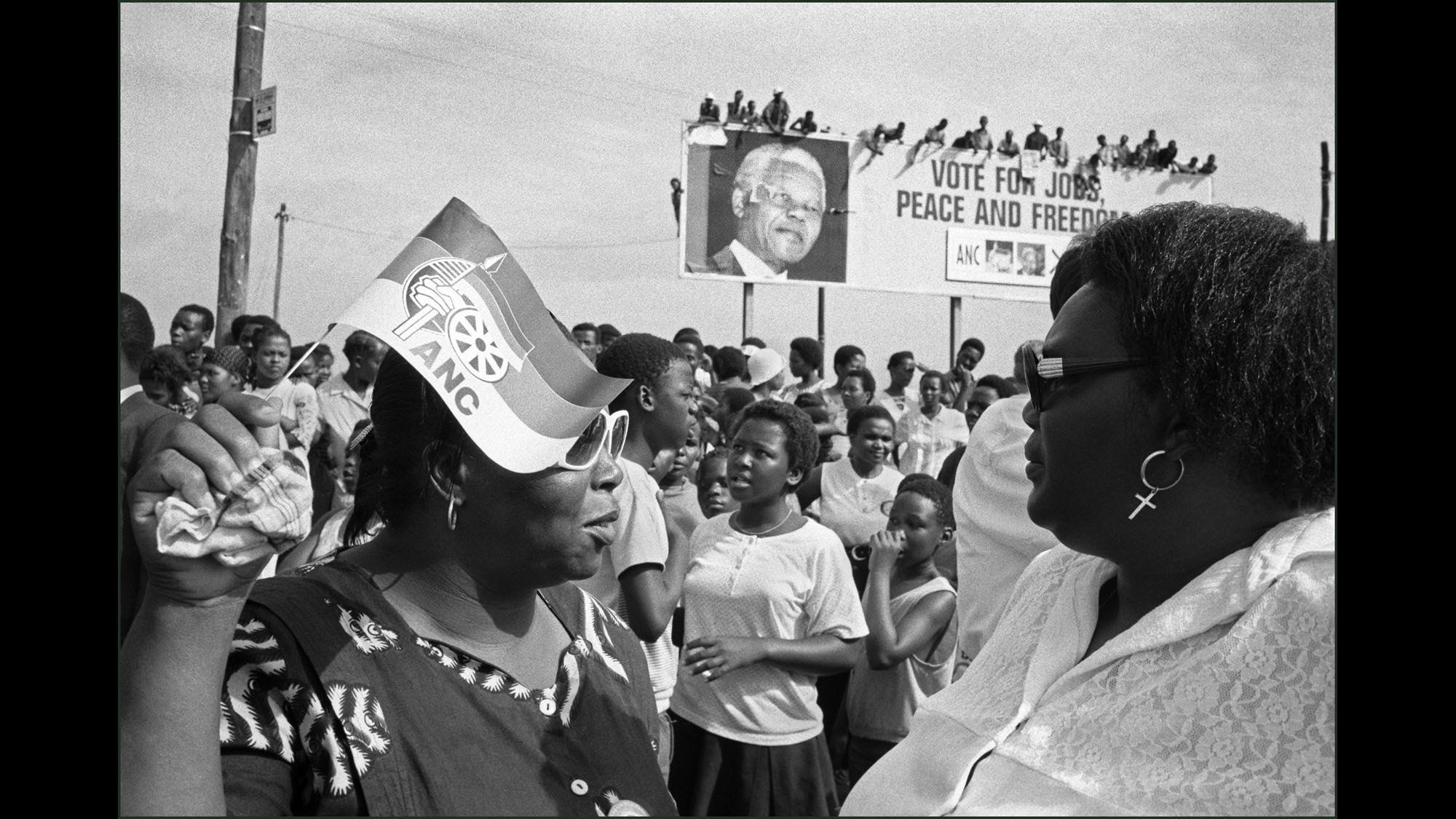
1994 was a turning point in our history. It was the first time South Africans of all races could come together and vote for the party that truly represented themselves and the government they wanted. However, was the end of the revolution or the start of a new one? We do have to engage in a bit of nuance because it was certain that 1994 signified the end of Apartheid and the end of National Party rule. But there were ideas that were meant to be carried over and executed as the ANC had access to the levers of power.
In the manifesto written by the ANC in 1994, it almost seemed certain that their new opportunity at governance was meant to lead the furthering of progress for people both socially and economically. However, this was not done without a shift in policy and stance. Historically, formerly having very strong communist and socialist influence, the ideas such as the redistribution of wealth and land were major concerns for the leaders of the ANC as they took on the battle against Apartheid, which meant many industries as they exist today would not have been able to exist as banks and resources would have been “shared”. However, there appeared to be a sharp turn in policy as they appeared to move away from their more socialist outlook policies and demands.
The ideas of free education, free housing, and access to amenities provided by the government were meant to allow for the flourishing of the country and the empowerment of black communities which remained underdeveloped during Apartheid. These sentiments were not new ideas sharing many similarities with the Freedom Charter; it was clear to see where the ideas originated from. However, some ideas never came to fruition or were simply left out as the ANC published their manifesto in 1994. Ideas of land redistribution and the nationalization of banks and shared wealth. It appears that the revolutionary ideas which mobilized the ANC and their ideals seemed to have stopped. There was no longer the call for a more socialist state and there seemed to be greater protection of industry. The question is why is that?
The most obvious place to start is actually outside of South Africa. Prior to the release of Nelson Mandela, the entire world was witnessing the downfall of the communist world. The Berlin wall had collapsed in 1989, Mandela was released in 1990, and the Soviet Union was declared over in 1991. One thing that was apparent to many world leaders around the world was that communism and socialism almost indefinitely lead to the failure of the state in some capacity, unless you're China. There were many questions surrounding the ANC and its approach to governance as it appeared that change was inevitable. With Nelson Mandela at the helms people were awaiting clarity on how the ANC would shape the economy of South Africa. It was clear that there was little appetite for communist or socialist states in Africa even though the threat of communism had disappeared. But it became a weigh-up between providing people with the best amenities or protecting the economy. After Nelson Mandela’s attendance at the World Economic Forum Annual Conference in 1991 and growing pressure from business and industry to continue to allow for a free market that promoted good business practice, Socio-Capitalism became the line for the ANC.
This, however, meant that the revolution was framed by those who continued to keep the ANC alive in exile. Never fully saw their revolution end. Many policies traded off the redistribution of wealth in South Africa to protect the economy. Rather provide opportunities for people to have access to that wealth on the basis you were qualified, at least initially. Policies no longer spoke about free health care and rather opted for affordable health. There were no longer plans to, what have been assumed, nationalize banks and other industries but rather find ways to put people of color in those positions through affirmative action and anti-discrimination policies. But it was almost certain that the ANC had re-aligned its vision and goals for South Africa and how it approached governance.
However, even though there appeared to be a change in policy, the ANC in some capacity has continued to look for opportunities to empower disadvantaged communities. Whether it be through Black Economic Empowerment, NSFAS or ISASA grant scheme. There continues to be infrastructure that looks to uplift these communities and increase their access to opportunities that will allow people to have great access to wealth that makes South Africa.
Additionally, with the existing external pressure from the Western world to align themselves as capitalist, many of their policies would have placed them in direct harm. Land redistribution, Nationalization of industry, and free amenities would allow them to be perceived a communist government which may have invited an unwillingness to engage in trade with South Africa. With the economy already struggling due to the sanctions placed against the Apartheid government, the growing levels of unemployment. There was a necessity for the government to ensure job creation so people could at least be given some job security. Even though socialism seemed ideal. South Africa at the time did not have the capacity to take that risk because it would almost indefinitely mean there would have been more suffering in South Africa.
At the end looking at this from 30 years out from the first democratic election. It appears that 1994 was the end of the revolution as we knew it. It was no longer about making South Africa socialist country and redistributing the wealth that had been accumulated during Apartheid. The priority appeared to be more on the economy and the future of South Africa. However, this was not in absence of the start of a new revolution. Where the struggle is not longer against the government but rather corporate that calls for the government to find new avenues and ways to ensure more people continue to get more access to opportunity and wealth through means of policy, education, and application of the policy that are written.
The best way to put it is that to some this appears to be that the revolution is being continued. It is the same fight against a completely different face. To others, this is a new fight, a new struggle which requires better solutions than the ones presented in our past. The one certain change is inevitable and revolutions are always ongoing. It is just about how you frame it in your mind.