

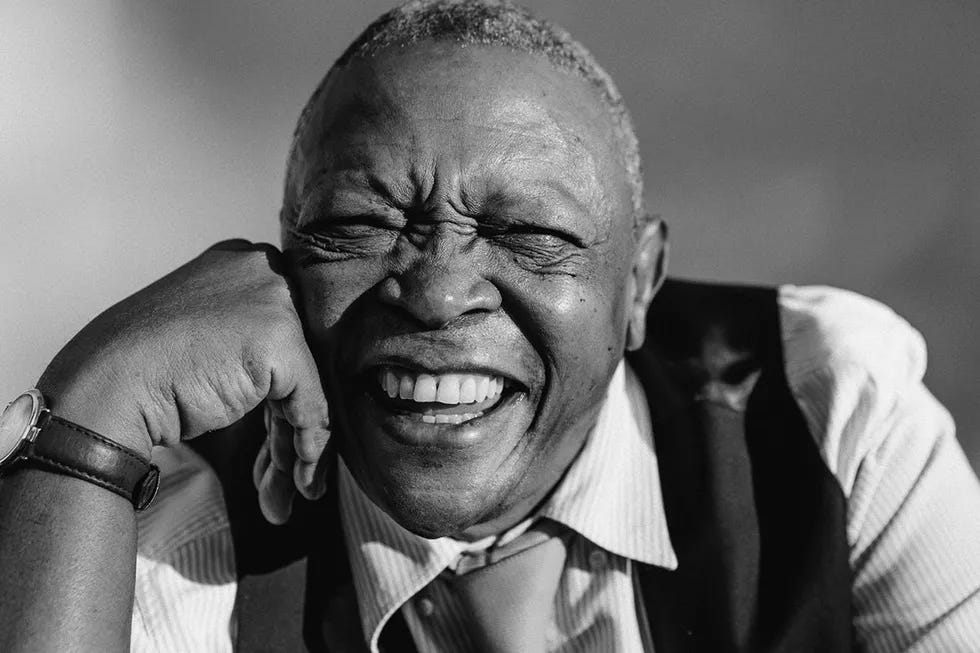
South Africa used to have a rich smile "economy". Named “the friendliest people in the world,” South Africans are known for their welcoming spirit and deep care for others. However, this seems very different from the reality most South Africans live and feel today.
Over the years, crime, state infrastructure, and women's safety have worsened. The ability to walk freely in South Africa's streets has decreased immensely. Sharing a head nod or smile, once a common practice among South Africans, has become rare.
The spirit of Ubuntu, which once mobilized the Rainbow Nation to acknowledge our shared nationality and identity, has diminished. Mistrust between citizens has increased. The fear that any individual, regardless of shape, size, or color, could be a threat has grown over time.
In 2010, when South Africa hosted the World Cup, South Africans were celebrated by international communities for their vibrancy and optimism. Vuvuzelas filled the streets with symphonies of joy and triumph after Siphiwe Tshabalala scored a historic goal. People of all races were proud to call themselves South African.
The South Africa of 2010 was a place where we could sit across from our neighbor and acknowledge that, even though it was not perfect, we could celebrate the joy we brought one another. Additionally, we celebrated the joy sports brought to all of us. Each moment, whether victorious or not, reminded us of the past we had to overcome.
However, now in 2024, the illusion of the Rainbow Nation has faded. Corruption and state mismanagement continue to dominate the headlines. The once-shared communal joy and sense of living together have waned, leaving us feeling hopeless. We no longer believe that we are in this together and capable of overcoming anything.
As people walk the streets, there is a feeling that we are more divided than ever before. With more people falling below the poverty line and a lack of wealth distribution, individuals from both sides of the economic spectrum struggle to find common ground and a way forward that is inclusive of everyone.
During Apartheid, areas like Sophiatown and District Six embodied our ability to overcome struggle. Jazz music, dance, and design became the heart of these communities. People found a way to smile and seek joy, even when society continued to take away their ability to share the love and spirit of Ubuntu through their art forms. Despite the forced removal and destruction of these areas, they continue to hold a place in our history because of the cultural vibrance they once represented.
Now, 30 years from liberation, it feels that South Africa has forgotten what once brought us together—the recognition of one person's humanity through a smile. Acknowledging someone who is ignored, feels helpless, and sometimes even alone motivates us and brings us together as a country.
It is crucial that we address our current problems and find adequate solutions to the issues that are destroying communities and leaving them economically excluded. However, it is equally important to remind each other that we are in this together through a smile and a willingness to learn about one another. South Africa's reputation as the friendliest country in the world should not only be felt by visitors but by all of us.
As Haile Selassie said, “Throughout history, it has been the inaction of those who could have acted, the indifference of those who should have known better, the silence of the voice of justice when it mattered most, that has made it possible for evil to triumph. Your smile can change someone's day; be a part of the positive change.” We can change the world one smile at a time.