

2024 is the year of elections. This is the year where globally, around the world, we test our belief in democracy. In South Africa, this year, elections are slowly starting to take shape as campaigns continue to roll out and political parties take to the streets to convince they are worthy of our vote. But there is a political sphere that is not being spoken about in the new streets. The world of social media seems to be a major factor in elections all over the world. Is that a good thing or will it be the catalyst for the most politically intense election yet?
This election seems to have been oncoming for quite some time and has been spoken about at length. Various entities and content creators over the past 12 to 18 months have used their platforms to mobilize young people to register to vote. It is evident that there is a desire to see power change hands after years of struggle and what people believe has been constant state failure. However, there appears to be a shortsightedness in how the election is being approached. It is evident that people need to know who to vote for once they're registered. But there are not enough platforms that are able to make the information digestible. Manifestos that are released in public are hundreds of pages long and media entities are too little to interrogate their policies and beliefs. So we arrive at a world where political parties are representing themselves on independent platforms such as podcasts, Instagram Live, and other online forums. But there is very little that is fact-checked or contested when they are speaking. Which does lead me to ask: How informed are people about the parties going into these elections and are they listening to the trusted sources?
Probably asking why the skepticism? The answer is in the video of the Downfall of the modern Podcast. Which identified a problem that podcasts, especially major ones, all bring on experts who tend to rebut what the previous expert in that field has said. Which is caused by more people being invited to these platforms to ensure their show can continue to run. This creates major division because when groups of people begin to latch on to a belief that may not be correct it makes it significantly harder to engage in conversations where all points of view can truly be considered. In the context of South Africa where there already is a lot of speculation in traditional media. It will only be assumed that it is heightened by social media which has no regulatory bodies or check and balances.
However, there does appear to be an upside to this new world. More people are able to be heard, especially young people. Over the years more and more young people's concerns are being broadcasted to people of all ages across the country. This has meant that government and political parties have been pressured to answer to some of their downfalls as the space continues to grow and gain influence over the country. The question is: Will this newfound power be weaponized against us?
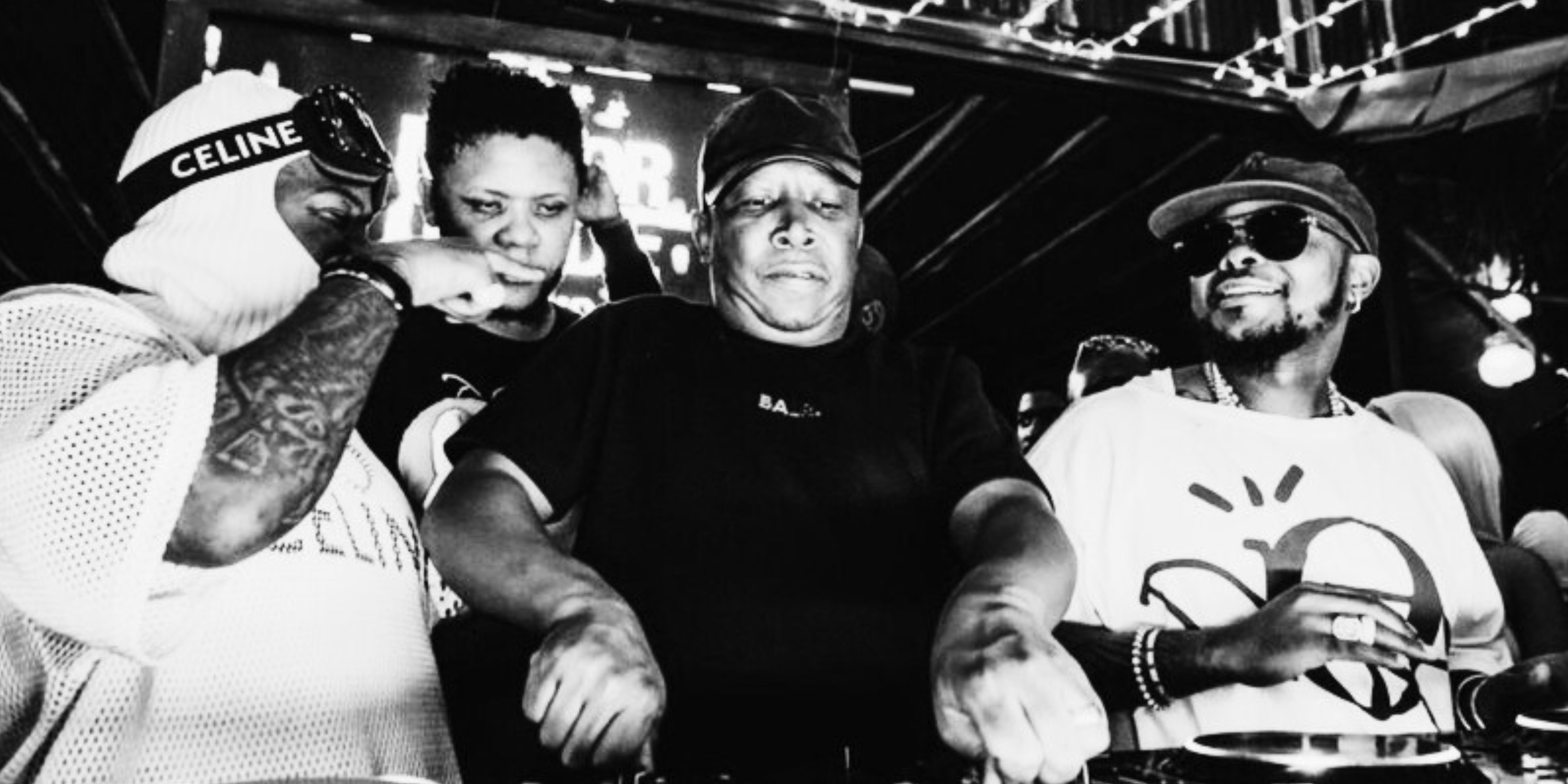
The EFF Manifesto launch part of their campaign marketing was that they decided to invite influencers. It would be assumed as a means of attracting the youth. But it also meant the danger of politics and democracy. No, this is not to say that there is no room for influencers in the space of politics, but rather, a belief that people should be brought into the space to create value for people. So it is important that we preserve the conversation and make politics about politics instead of advertising a lifestyle or network of people you are in contact with.
Moreover, the use of the space to realign your identity and rid yourself of the previous mistake or scandals that may have presented that candidate which would have been discussed on traditional media due to journalistic integrity. In an interview with Sizwe Mpofu-Walsh on NewsAfrika Gayton Mckenzie, President of the Patriotic Alliance, was pressed heavily on the inconsistency between what he was saying about what the party had done and what had actually been done. Some believed that Dr. Mpofu-Walsh was slightly unprofessional, it was a clear showing of getting accurate news which keeps politicians accountable. A few months later on a podcast, Penuel The Black Pen, Gayton was given a free platform to share his thoughts and his opinions. This is not to say we should ever limit the speech of politicians or anyone but it is to say we need to interrogate various ideas and claims that come up in conversations. Many of these podcasts, videos, and clips frame how people view various politicians and political parties. But also frames how they vote.
Going forward, it is important that we continue to self-regulate ourselves and push for regulation around how we allow social media to influence us and our livelihoods. Rightfully or Wrongfully so the US believes it should control its democracy through removing Tiktok. They understand what they want their influence of social media does on their democracy. Furthermore, we need to ensure that we do check the sources we get our information from and we check the credibility of the people who speak about certain political ideas and parties. However, it is equally valuable to have an opinion of your own that you believe in and defend wholeheartedly because at least then you are confident about yourself and how you view and approach the world.
The world once again is grappling with a new element which appears to threaten their democracy. It is important that we all collectively protect our independent thinking and ability to speak freely. That is only done through holding ourselves and others accountable. As the campaigns continue to roll out and the content continues to blossom. Always remember to check yourself if unsure. Social media continues to be another element that sometimes makes you feel like it is the last straw and other times believes are the things that will take us to the future. I believe the elections around the world will continue to inform this ongoing journey.
And in South Africa, social media continues to move us forward to making a change taking our first steps as young South Africans who will vote for the first time. Let that be a vote that we made with the right information and not one that was influenced by the world around us. Let us take the polls on May 29th and let’s go VOTE!