

Disillusioned with the state of South African politics, I paid attention to different forms of politics — student politics. What I learnt concerned me, that the state of student politics may be a diagnosis for the future of the country. Young people are disillusioned about politics, local or national.
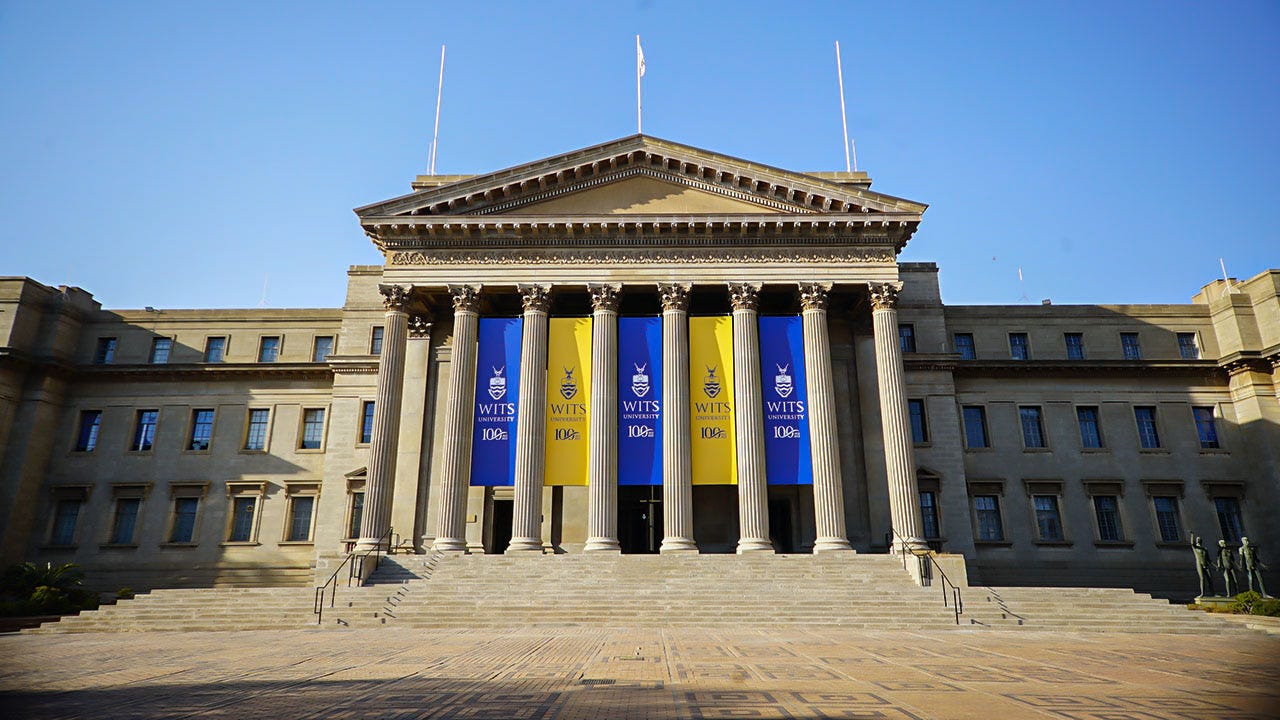
It was extremely disheartening to see universities celebrate their election results when universities such as the University of Cape Town, Witwatersrand, and the University of Johannesburg failed to even reach over 50% in voter turnout — let alone have a third of their student population participate in the election. This displayed a great deal of apathy amongst the students.
The turnout at the respective universities was as follows: At UCT, voter turnout stood at 29.27%, with 7,986 students casting their ballots out of an eligible 27,287. At Wits, voter turnout stood at 31.15%, representing just over a third of the student population. At UJ, there were 14,100 institutional votes out of 50,391 eligible students, for a voter turnout of 26%.
This is concerning because it speaks to the overall culture and belief in political systems as a whole. University campuses are places where discourse around ideologies, political systems, and solutions to the most pressing problems take place. It is a place where intellectualism and debate exist — a place to question and think about what the future can look like and hold for all of us. Yet the nation continues to allow an extremely important space to decline.
These spaces are where the next political leaders emerge, develop, and solidify their identity as politicians, activists, and change-makers. But they do not have the backing of the majority; they continue to thrive off the minority, while nearly over 70% of the student population remains disengaged and uninterested in the development of the future and its leaders.
It begs the question: who is responsible for ensuring that voter turnout and the culture of politics are something that is captivating, exciting, and a real forum for discourse rather than a system that validates and legitimizes a few who are willing to take the charge in a failed system?
Does the fault lie with the universities as the heads of these institutions? Should they be doing more to cultivate and develop spaces that encourage engagement? Should they be doing more to monitor and hold Student Representative Councils accountable for the promises they make and fail to fulfill? Should they be doing performance reviews to truly see if the problem lies with the students who are disengaged, or a system that is unimaginative and unrelatable to the students who fill their campuses?
Does the fault lie with the elected officials who bask in their glory, unconcerned about the underlying problem that brought them into power? Should there be more importance placed on them actively holding the support of the majority and caring to captivate and motivate people to vote — not only in the weeks leading up to the election but year-round?
Does the fault lie with the students? Should there be more pressure and discussion around the reasons the system does not resonate with them? Should they be the ones to provide solutions to a system they have lost belief in, to rebuild their confidence and trust?
The answer is everyone is at fault. The culture that has been allowed to develop and be trendy over the past few years has allowed everyone to celebrate endlessly without ever having to reflect honestly about what the environment actually reflects and how people are feeling.
Whether it is acknowledged officially or not, no vote is a vote. When a significant majority — over two-thirds of these institutions — continue to have students not participating, not asking questions, and not caring for the outcome, they too have expressed that the system does not speak to them. It fails to reach them where they are and adequately deal with the needs that are most pressing to them.
While SRC elected officials gain praise for the hard work they have put in, many students remain with their lives the exact same, their pressures unchanged, and their belief that the SRC — as the one prior and the one expected to come after — will harp on the same points without much resulting in new, innovative ways to think and deal with our future.
This is a problem because young people, who fight for every chance possible to be seen, heard, and represented in places where we lack power such as the government and parliament, fail to use the few platforms and places we do have to say we do not fail anyone but ourselves.
Time and time again, as people born free knowing only of broken systems, corrupt individuals, and governance that is haphazard, it is hard to believe that the system will change and that we will reap any benefits.
But it is important not to throw everything out — not to throw the baby out with the bathwater — but to rethink, reconsider, and re-evaluate how to make the system better.
How do we decide who will be our leaders, who will speak for us, and who will be the moral compass for a country that seems to have lost all sense of moral upstanding leadership? How are we to act differently when we are allowed into rooms of power and places of influence? Most importantly, how will we not make the mistakes of the past?
These are conversations that are hard, layered, and nuanced — ones that will span years, not just months. As young South Africans, we have to care about our future, and not in the way politicians who promised endless benefits post-liberation did, but in a pragmatic way that clearly outlines the steps and actions necessary to manifest a new reality — a better South Africa.
As I mentioned earlier, I was disillusioned with the state of South African politics. Politicians enjoy critiques about why parties failed in the past, why old policies cannot build our future, and the same stories around crime and corruption with different faces.
There are a few people who are asking ourselves how we think of a tomorrow that not only resolves the most pressing issues of communities that have been neglected or have been at the head of a failed political system. How do we develop a national identity that we are proud of, and how do we create a culture and politics of unity that is more than just a name but action that is felt by South Africans across the country?
Naledi Pandor said this weekend at the Nelson Mandela Lecture, “Hope is good, but we need activism” — focused campaigns that aim at changing the situation around and not inspiring hope but leading change.
The future is in our hands at every tertiary institution. It is the place we will get our next president, our next speaker of the house, and our next chief justice. We cannot be blind to the fact that our future starts now and not when we recognize old institutions and legacy parties.
Every single person has a role to play in turning around South Africa. Maybe it starts small — it starts on university campuses and then becomes the start of the winds of change that may one day change the country.
The reality of the matter is everyone — I included — we all need to do better and remember politics is not just the people who take office but the culture that informs the decisions they are making.
We need not give up on our country, and we need to change our culture. Thus, we make do with what we have, and we come to understand what we want.